The Hidden Biases That Can Make Your Hard Work Look “Easy”

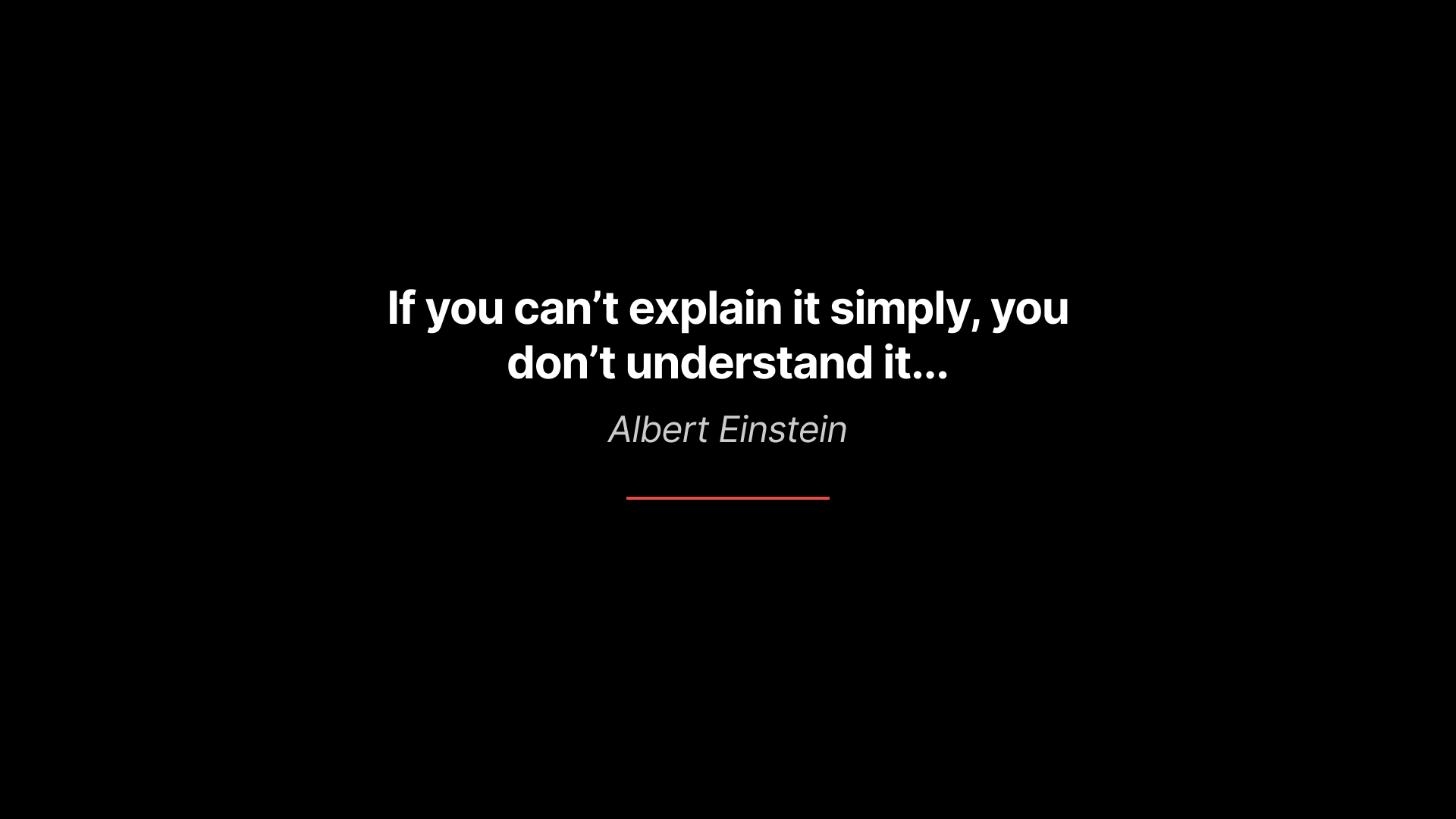
“If you can’t explain it simply, you don’t understand it deeply.”
Albert Einstein
I love this quote because it’s true. But there’s a problem:
When you do explain something simply, a few common cognitive biases can make your effort look far less valuable than it was.
These thoughts began as my reflections, based on experience. Later, I looked into whether they were already established and discovered some connections to known psychological biases.
So, here’s my take on three of them and how to protect your work from being “sold cheaply.”
The “It Must Have Been Easy” Illusion
When people see a simplified final result, it’s easy for them to assume the road there was simple too.
A related concept is the Fluency Effect (also called the Fluency Heuristic), studied by Norbert Schwarz. It describes how we mistake something easy to understand or use as something that must have been easy to create.
If people weren’t involved in the process or don’t know the domain deeply, they can’t see the complexity of the problems you faced. Without context, the result can appear as if it were always obvious, leading to questions like: “Why did this take so long?”
How to solve it
Along with the results, provide clarity on the process:
- The steps taken
- The insights uncovered
- The problems faced
- Alternative versions tested (because yes, we can be wrong too!)
The more transparency you give, the more trust you build in your solution.
The Hidden Complexity and Timeframes
No one can guess how many hours, days, or months went into the work by looking at the result alone. Simplifying a complex product isn’t “dumbing it down,” it means you’ve invested time in:
- Studying how users work
- Mapping edge cases and exceptions
- Grouping workflows into something that makes sense
Show that! Show the details.
Show that to get this result, you needed to understand first. Everyone is busy, and they will not have time to follow all your steps just to see how much effort it took for you.
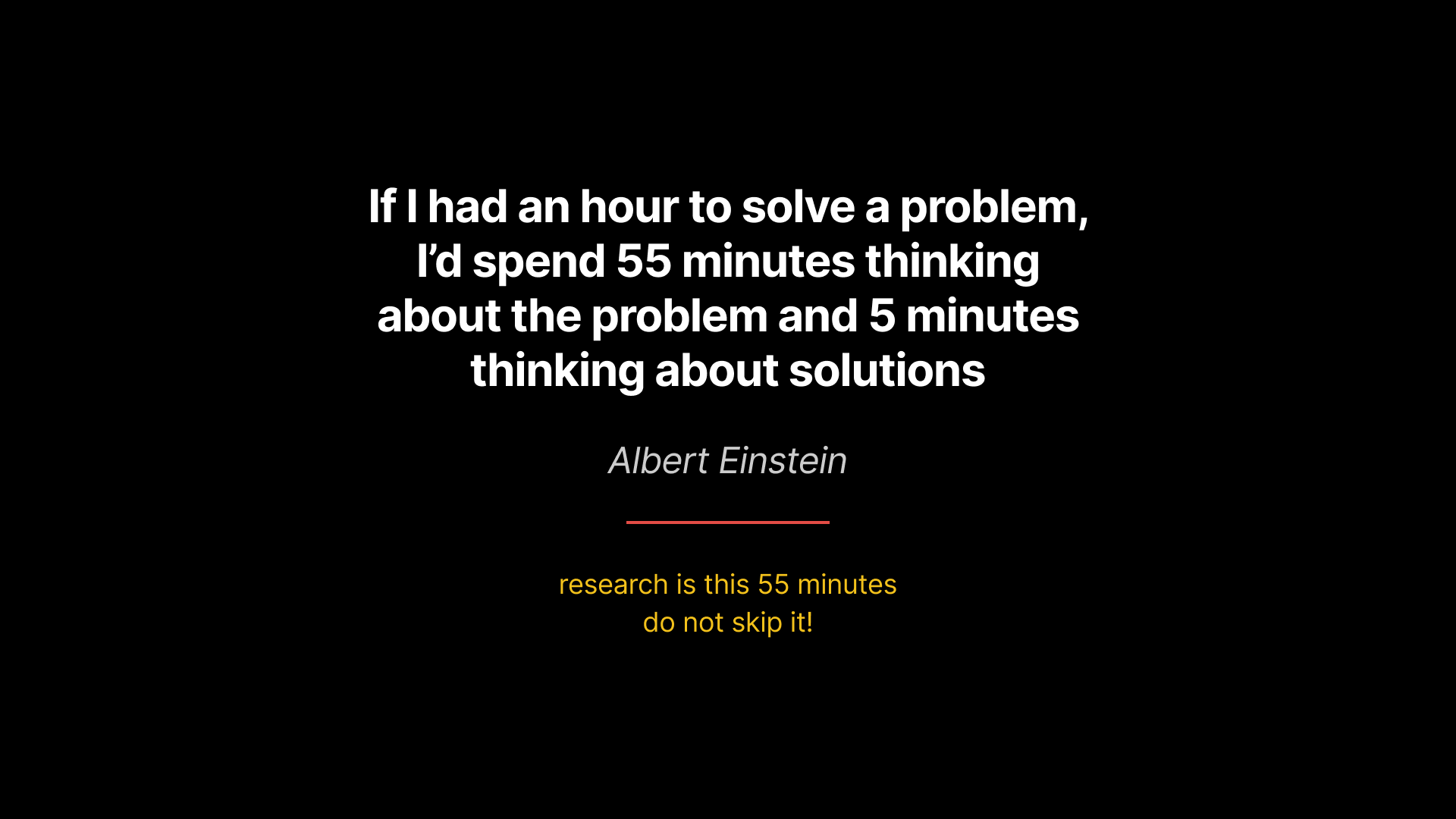
And Einstein put it perfectly:
“If I had an hour to solve a problem, I’d spend 55 minutes thinking about the problem and 5 minutes thinking about solutions.”
Only after listening, observing, and digging into the real workflows does the solution almost shape itself. But that upfront time is invisible unless you show it.
The risk here is Hindsight Bias, the “I-knew-it-all-along” effect, where our brain rewrites the story so the steps to the solution feel obvious and less complex than they really were.
The Perception of Effort
Sometimes your background and expertise let you see problems early, avoid common pitfalls, and move quickly to a good solution. That’s a strength, but it can backfire.
But here’s the trap: this speed can trigger another bias. It’s rooted in our human need to be seen, recognized, and valued for the complexity of the work we’re doing. If others don’t see the challenges you avoided or the thought process behind your decisions, they might think you:
- Didn’t fully understand the problem
- Didn’t spend enough time on it
- Had an “easier” task compared to others
This connects to the Effort Heuristic, the mental shortcut where people judge the value or complexity of work by the visible effort put into it.
That’s why it’s worth slowing down at times:
- Allow others to share their perspectives.
- Spend more time than you think is necessary, especially to explain why you’ve chosen a certain direction.
- Highlight potential problems you’ve already accounted for, so people understand the risks you’ve mitigated.
Simplification is the hardest part of complex work.
But the better you are at it, the more invisible your effort becomes.
That’s why your job isn’t just to deliver the solution, it’s also to tell the story of how you got there.